Post-Doctoral Research Fellowship

Tecnico Lisboa is offering a Post-Doctoral Research Fellowship for the BioMembrOS Project in the Scientific Areas of Thermofluids and Energy Conversion Technologies or Chemical Engineering Sciences.

Objectives

  • Develop hemocompatible hybrid and composite membranes for gas permeation.
  • Integrate Metal–Organic Frameworks (MOFs) to enhance oxygen and carbon dioxide permeability and selectivity.
  • Design hemocompatible coating strategies to improve membrane–blood interactions.
  • Model and optimize membrane performance using computational tools, machine learning, and artificial intelligence

Work Plan

  • Synthesis and characterization of hemocompatible hybrid and composite membranes for gas permeation.
  • Synthesis and characterization of Metal Organic Framework (MOF) and understand its role on the enhancement of the
    permeability and selectivity of hybrid and composite polymer/MOF membranes for oxygen and carbon dioxide.
  • Hemocompatible coating of membranes
  • Modelling & Optimization of gas permeation of hybrid and composite membranes with recourse to parameters pertaining to membrane casting solutions composition, MOF structures, coating techniques and membrane casting procedure.
  • Modeling and optimization of parameters of the system using machine learning and artificial intelligence algorithms.
  • Assist the IST research team in the preparation of technical reports, presentations, and meetings, as well as the purchasing process of materials and services required for the development of the project according to plan

Admission Requirements

  • to hold a PhD degree obtained in the 3 years previously to the submission of the fellowship application
  • to have carried out the research work that led to the PhD degree in a different entity from the host institution of the fellowship
  • Not to exceed, with this fellowship contract, including the possible renovations, an accumulated period of 3 years in this type of fellowship, continuously or with interruptions
  • Not to have previously held a post-doctoral fellowship from IST.

Find more Information here: Research_scholarship_IST_2026_en.pdf
WeiterlesenPost-Doctoral Research Fellowship

ESAO Winter School 2026

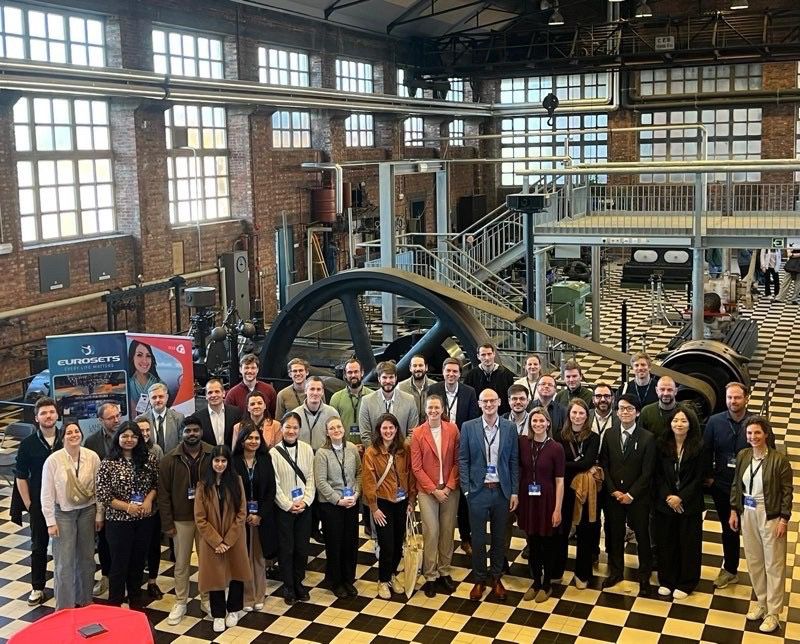
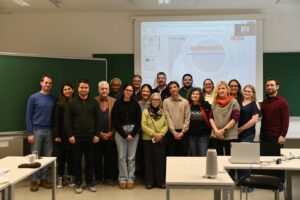
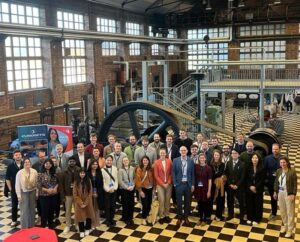
Attendees of the ESAO Winter school 2026 at KU Leuven
From February 25th to 27th 2026, our PhD student Jing Jing Xu participated in the ESAO winter school 2026, hosted by KU Leuven. The winter school focused on the topic of Artificial Lungs and brought together early-career researchers, clinicians, and experts working in the field of artificial organs.

Throughout the program, participants explored current challenges and advances in artificial lung technologies, including membrane development, gas exchange performance, and clinical applications. Lectures and discussions provided valuable insights into the latest research and highlighted the interdisciplinary nature of the field, connecting engineering, medicine, and biomaterials science.

Beyond the scientific sessions, the winter school also offered an excellent opportunity for networking and exchange with researchers from across Europe and beyond. Events like this provide a great platform to discuss ideas, learn from leading experts, and build connections within the international artificial organ community.

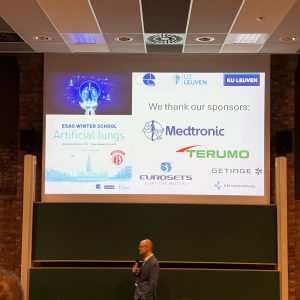
Introduction to ESAO Winter School at KU Leuven, with the topic ,"Artificial lungs"
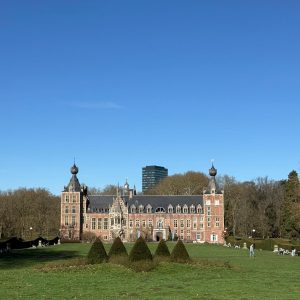
Castle of KU Leuven with a park in front and trees in the back
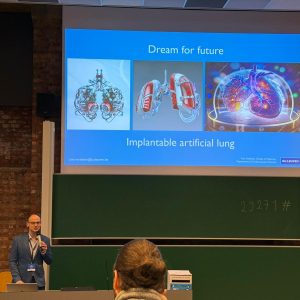
Presentation about Implantable Artificial Lung at ESAO Winter School
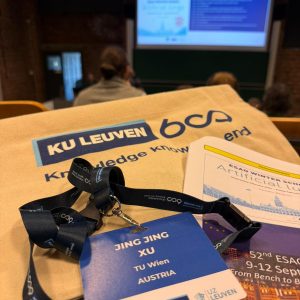
Participants badge of our PhD student Jing Jing Xu
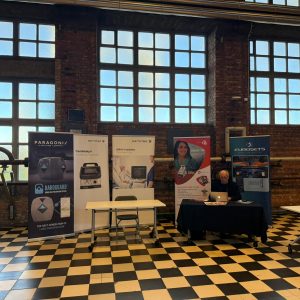
Entrance hall of ESAO Winter School 2026


WeiterlesenESAO Winter School 2026

Consortium Meeting in Vienna

On January 29–30, our consortium gathered in Vienna for two productive days of exchange and collaboration.

The meeting began at the Medical University of Vienna, where partners presented the current status of their work packages and shared recent results. The discussions were engaging and constructive, providing valuable feedback and helping to align the next steps of the project. A guided tour of the laboratories offered insight into ongoing experimental work and the facilities supporting it. The first day concluded with a joint dinner, creating space for informal conversations and continued exchange.

On the second day, the consortium reconvened at TU Wien. The program continued with further technical discussions, coordination topics, and planning of upcoming activities. Participants also had the opportunity to visit the TU Wien laboratories and gain a closer look at the research infrastructure and experimental setups.

Overall, the meeting strengthened collaboration across partners, clarified upcoming milestones, and reinforced our shared goals. It was a pleasure to meet in person, continue the scientific dialogue, and move the project forward together.


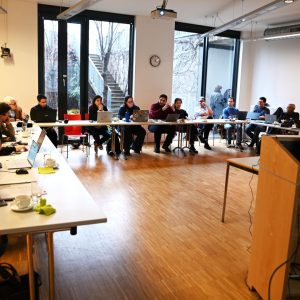
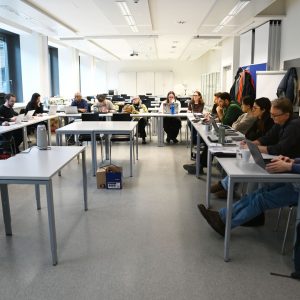
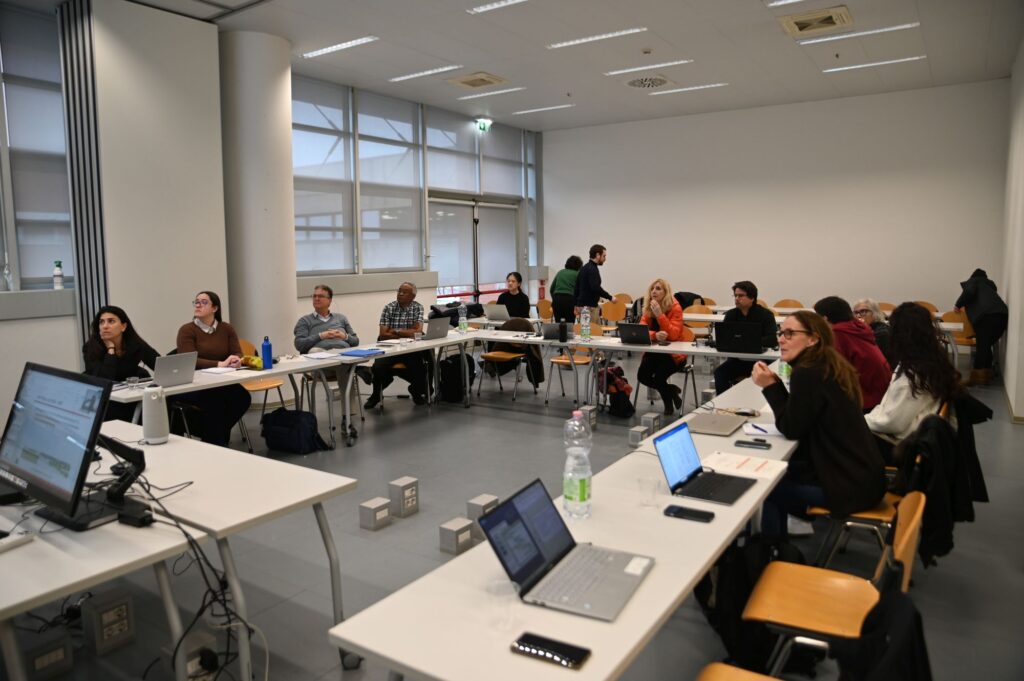
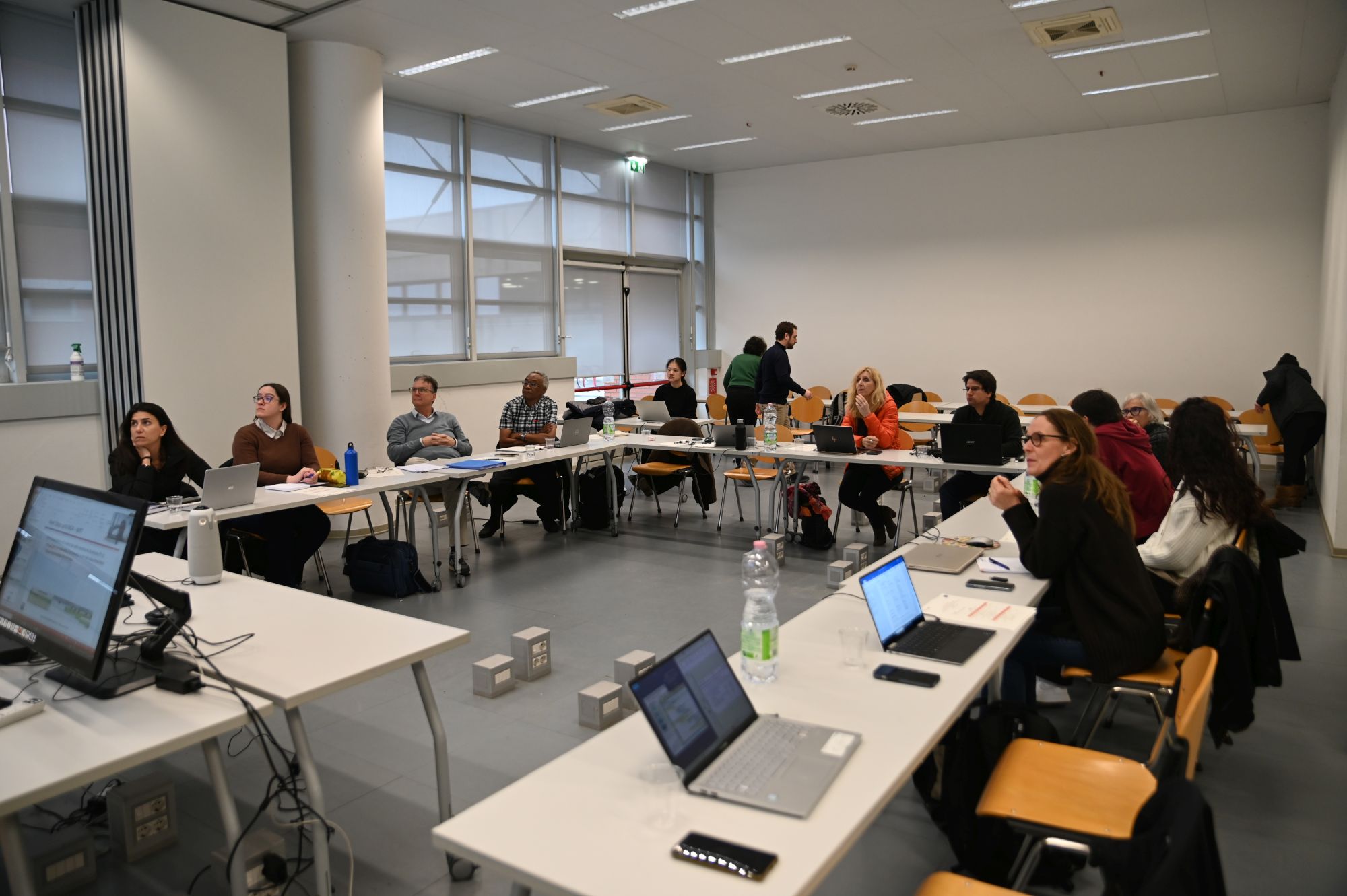
Overview of the meeting room with a U shaped table formation for our Consortium Meeting at Medizinische Universität Wien. Our members already sitting and listening to a presentation
Overview of the meeting room with a U shaped table formation for our Consortium Meeting at Technische Universität Wien. Our members already sitting and listening to a presentation
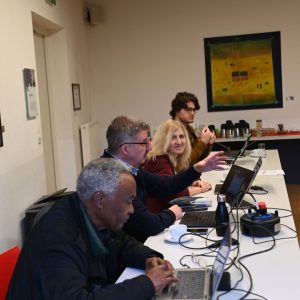
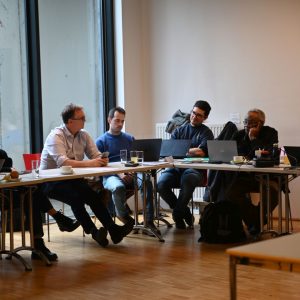
Members from TU and UJ at the meeting
Members from MUW and UJ talking
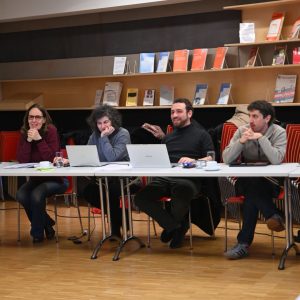
Members from UNIBO at the meeting
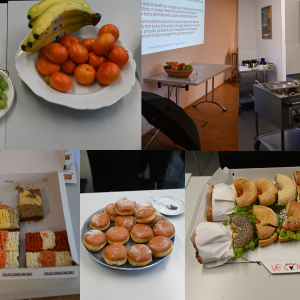
Overview of the food provided by MUW and TUW


WeiterlesenConsortium Meeting in Vienna
Mehr über den Artikel erfahren European Researchers Night 2025
© Emma Marmey and Emma Rose C. Steinmetz

European Researchers Night 2025

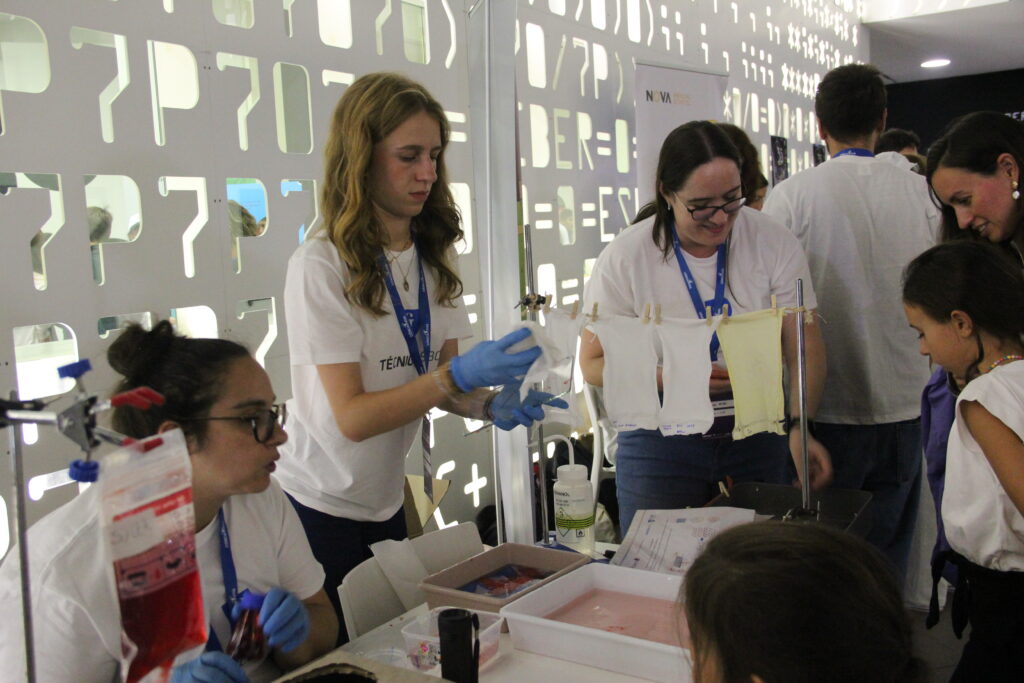
Team Members showing how sheets are dried
Photo by Emma Marmey and Emma Rose C. Steinmetz

The European Researchers’ Night 2025 was a vibrant celebration of science, bringing researchers and the general public together to share knowledge, spark curiosity, and promote dialogue about current scientific challenges and innovations. The event provided a unique opportunity to engage directly with visitors from outside the scientific community and highlight the real-world impact of research.

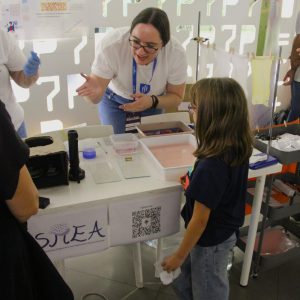
Members of the BioMembrOS project and the CeFEMA team participated with a dedicated stand at the Pavilhão do Conhecimento in Lisbon. Throughout the evening, the team introduced visitors to the role of membranes in artificial organs, focusing in particular on their applications in blood oxygenation and hemodialysis. These technologies play a critical role in supporting patients with severe respiratory or kidney failure, making membrane research an essential area of innovation in modern medicine.

Visitors of all ages showed great interest in the topic and took part in interactive activities designed to illustrate membrane function and gas exchange. Informative leaflets were also distributed, allowing attendees to learn more about the BioMembrOS project and ongoing research efforts.

The event was an excellent opportunity to connect with the public, share the motivation behind our work, and highlight the importance of advancing membrane technologies for future medical applications.

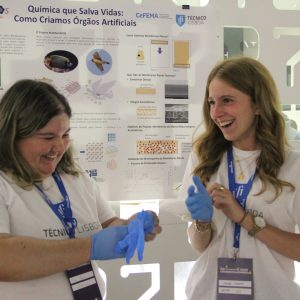
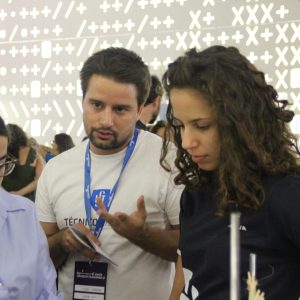
Two team members laughing together
© Emma Marmey and Emma Rose C. Steinmetz
A team member explaning the experiment to a child
© Emma Marmey and Emma Rose C. Steinmetz
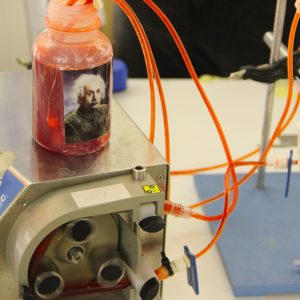
A bottle with red fluid inside and Albert Einsteins face on it, is standing on top of and connected via tubes to a metallic pump
© Emma Marmey and Emma Rose C. Steinmetz
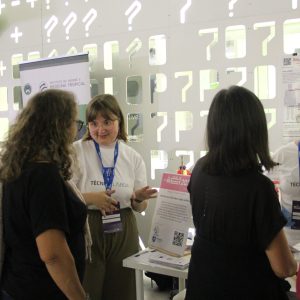
A team member explaining something to visitors
© Emma Marmey and Emma Rose C. Steinmetz
Team members talking to visitors at European Researchers Night 2025
© Emma Marmey and Emma Rose C. Steinmetz


WeiterlesenEuropean Researchers Night 2025

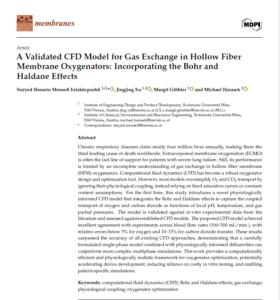
Article in Membranes Journal

We are proud to share that we published a new paper in the open-access journal Membranes. The study, led by Seyyed Hossein Monsefi Estakhrposhti as first author, presents a new computational model to better understand how oxygen and carbon dioxide are exchanged in hollow-fibre membrane oxygenators — devices that play a vital role in supporting patients with severe respiratory failure.

By incorporating important physiological effects that are often overlooked in existing models, the team was able to create a much more realistic picture of how gas exchange happens under clinical conditions. Their work was carefully validated with experimental data and showed very high accuracy. This approach offers new opportunities for designing and testing future oxygenators more efficiently, with less reliance on costly and time-consuming laboratory trials.

This publication highlights the innovative research carried out within BioMembrOS, and also underlines how collaboration across engineering and biomedical sciences can help drive forward the next generation of artificial respiration technologies.

The full article is available open access in Membranes: https://www.mdpi.com/2077-0375/15/9/268?utm_source=chatgpt.com here

WeiterlesenArticle in Membranes Journal

ESAO 2025

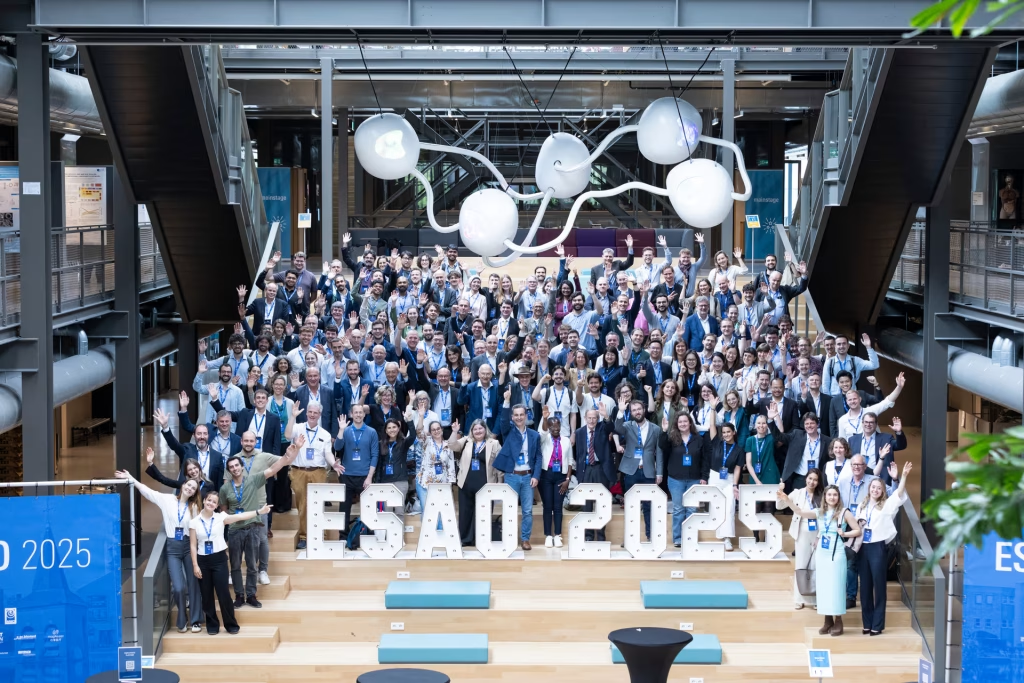
Group Picture of the ESAO 2025 participants on stairs

From June 25 to 28, 2025, we participated in the annual congress of the European Society for Artificial Organs (ESAO), hosted at the University of Twente in Enschede, Netherlands. The international event brought together researchers, clinicians, and engineers to exchange ideas and present the latest advances in artificial organs and organ support technologies.

Our partners from Instituto Superior Técnico (Técnico Lisboa) presented their poster:
Mixed Matrix Membranes, Cellulose Acetate/Silica/Metal Organic Framework, for Protein-bound Uremic Toxins Removal in the Artificial Kidney
The work focuses on the development of advanced membrane materials designed to improve the removal of protein-bound uremic toxins, which remain a major challenge in artificial kidney treatment. By combining cellulose acetate with silica and metal–organic framework components, the research explores innovative strategies to enhance membrane performance and selectivity.

In addition to the poster presentation, the BioMembrOS team actively engaged with the scientific community throughout the conference. We distributed project leaflets, presented our research activities, and connected with fellow researchers working on artificial lungs, kidneys, and related membrane technologies. The event provided an excellent platform to exchange knowledge, discuss new developments, and strengthen collaborations.

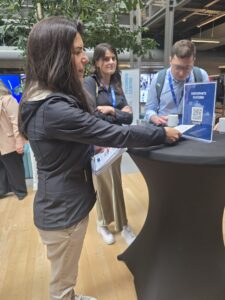
Monica Faria and two others standing around a round table with a black cloth
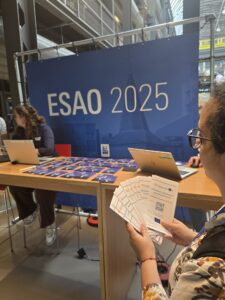
BioMembrOS leaflets fanned out in a woman's hands. Behind her is a wooden table with a blue ESAO 2025 banner with white lettering hanging behind it.
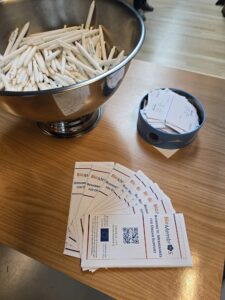
BioMembrOS leaflets fanned out on a wooden table, next to a metal bowl with pens in it


WeiterlesenESAO 2025

LaPMET Scientific Meeting 2025

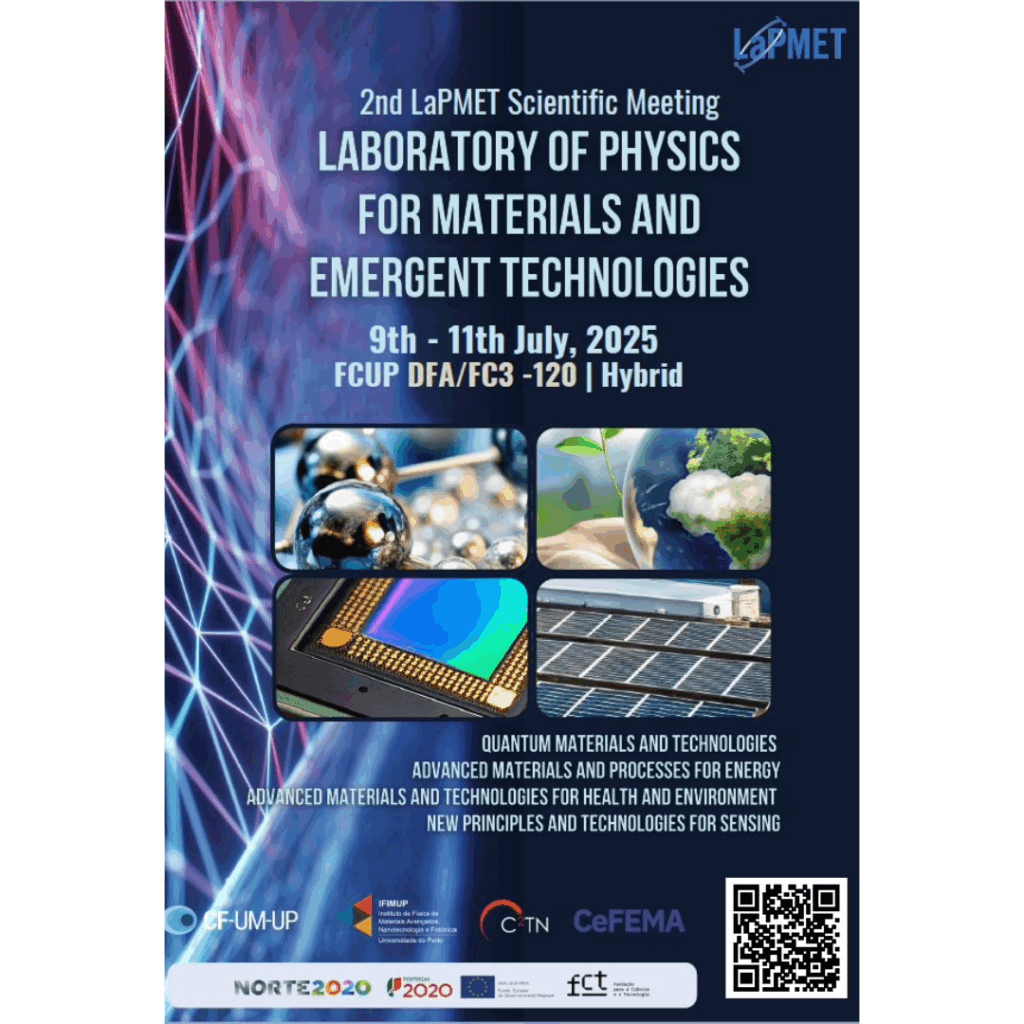
Flyer of the 2nd LaPMET Scientific Meeting. Laboratory of Physics for Materials and emergent technologies. 9th - 11th July, 2025

We are pleased to share that BioMembrOS team members from Técnico LisboaMonica Faria, Aline de Mitri, and Tiago Ferreira — took part in the 2nd Jornadas LaPMET hosted at the Faculty of Sciences of the University of Porto (FCUP).

The event gathered researchers from the fields of physics, materials science, and emerging technologies, fostering a dynamic environment for scientific exchange and collaboration. Our colleagues actively contributed to the discussions, strengthening connections within the research community and highlighting the breadth of expertise represented in the BioMembrOS consortium.

Participation in such events is an important step in building bridges across disciplines and showcasing how innovative materials and technologies can drive progress in biomimetic artificial respiration.

WeiterlesenLaPMET Scientific Meeting 2025

Consortium Meeting in Johannesburg

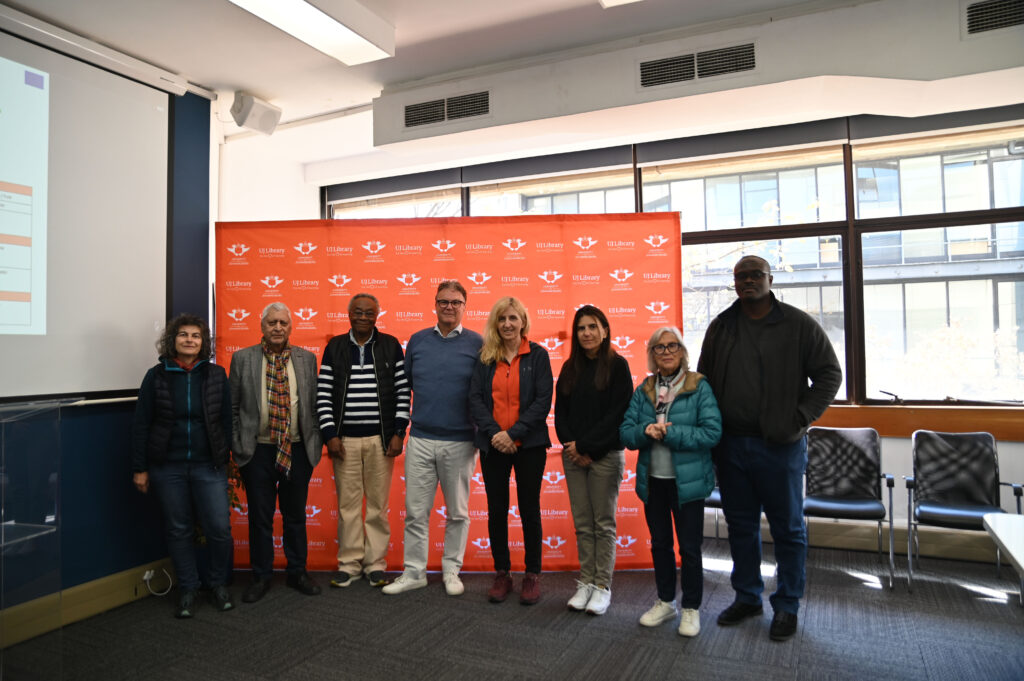
Our team in front of a UJ Library Banner

On July 8–9, 2025, the BioMembrOS consortium came together at the University of Johannesburg for a productive and inspiring project meeting.

Despite the chilly winter temperatures, our team received a warm and generous welcome from our hosts. The meeting was held in a hybrid format, with some partners attending on-site while others joined online. This setup allowed for broad participation and created the opportunity for lively, inclusive discussions.

Day 1 focused on presenting recent progress, highlighting key results, and fostering interdisciplinary exchange. The day concluded with a joint dinner — an excellent opportunity to connect informally and strengthen personal ties within the consortium.

Day 2 looked toward the future, with in-depth discussions on how the project will proceed. Partners worked together to align next steps, refine milestones, and share ideas for upcoming collaborations. A highlight of the day was the opportunity to visit our colleagues’ laboratories, offering valuable first-hand insights into the impressive facilities supporting the research.

We extend our sincere thanks to our colleagues in Johannesburg for their excellent organization, warm hospitality, and the inspiring exchange of ideas. With strong collaboration and clear plans ahead, the consortium is well-positioned to advance the BioMembrOS mission: developing the next generation of biomimetic artificial respiration devices.

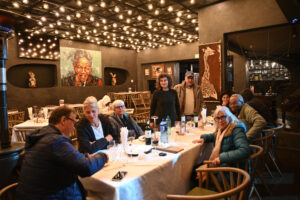
Most of the on site team at dinner in a lovely restaurant
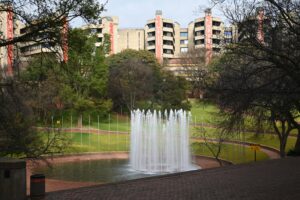
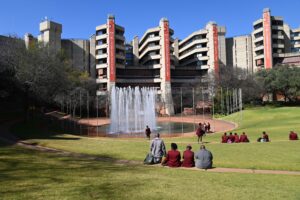
A fountain inside a little pond, surrounded by trees and lawn. In the background a building of the university of Johannesburg
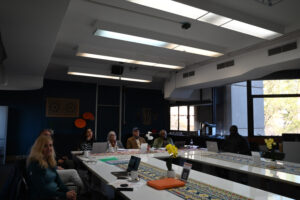
The team sitting around U-aligned tables in a conference room
A table with four plates with some snacks. Above is some wooden africen art on the dark blue wall
Fountain in the middle, surrounded by trees and lawn with Students in red and grey uniforms sitting on it. In the back a building of the university of Johannesburg
trhee white plates with snacks, cookies, cheese and vegetables on a colorful tablecloth in front of a dark blue wall
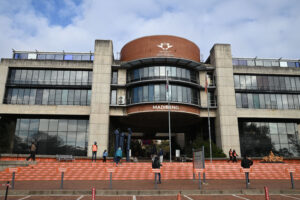
The Entrance to the University of Johannesburg. From the path with red bricks, some stairs lead up to the building, that is a combination of red and grey bricks and a has huge glass windows
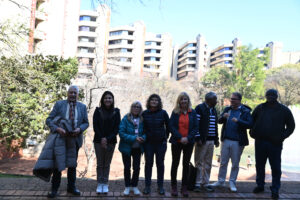
Our team in front of the University of Johannesburg


WeiterlesenConsortium Meeting in Johannesburg

Jing Jing Xu published Article in Polymers Journal

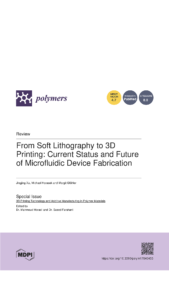
We are thrilled to congratulate our PhD Researcher, Jing Jing Xu from TU Wien, on the publication of her latest research article, „From Soft Lithography to 3D Printing: Current Status and Future of Microfluidic Device Fabrication“ in the well-regarded Polymers journal. This achievement highlights the comprehensive analysis conducted by Jing Jing Xu, where she systematically compared different fabrication methods, assessed their practical applications, and examined key factors such as efficiency, precision, and biocompatibility to provide a well-rounded perspective on the current and future landscape of microfluidic device fabrication.

Microfluidic devices play a crucial role in various scientific and industrial applications, including biomedical diagnostics, drug delivery, and chemical analysis. In her article, Jing Jing Xu explores the transformative potential of 3D printing as an alternative to traditional soft lithography techniques. The study provides an in-depth review of various 3D printing methods, particularly photopolymerization techniques, fused deposition modeling, and material jetting, and evaluates their advantages in terms of cost efficiency, geometric complexity, and material versatility.

The article also addresses key challenges limiting the widespread adoption of 3D printing for microfluidic applications, including material transparency and biocompatibility. Recent advancements in printing technologies and new material developments are highlighted, demonstrating progress in overcoming these barriers. Additionally, the study discusses future trends such as improvements in printing resolution and speed, the emergence of bioprinting for organ-on-a-chip applications, sustainability considerations, and the impact of regulatory frameworks on the field.

Published in Polymers, a peer-reviewed journal known for its focus on polymer science and engineering, this research provides valuable insights into the evolving landscape of microfluidic device fabrication. By bridging the gap between traditional and emerging fabrication techniques, this review offers researchers and engineers a clearer understanding of the strengths and limitations of each approach, aiding in the selection of the most suitable methods for specific applications.

We extend our heartfelt congratulations to Jing Jing Xu for this valuable contribution and look forward to seeing her continued impact in the field of polymer science and microfluidics.

For more details, you can access the full article in Polymers: https://www.mdpi.com/2073-4360/17/4/455.

WeiterlesenJing Jing Xu published Article in Polymers Journal

Consortium Meeting in Bologna

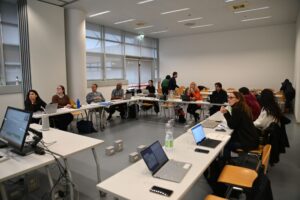
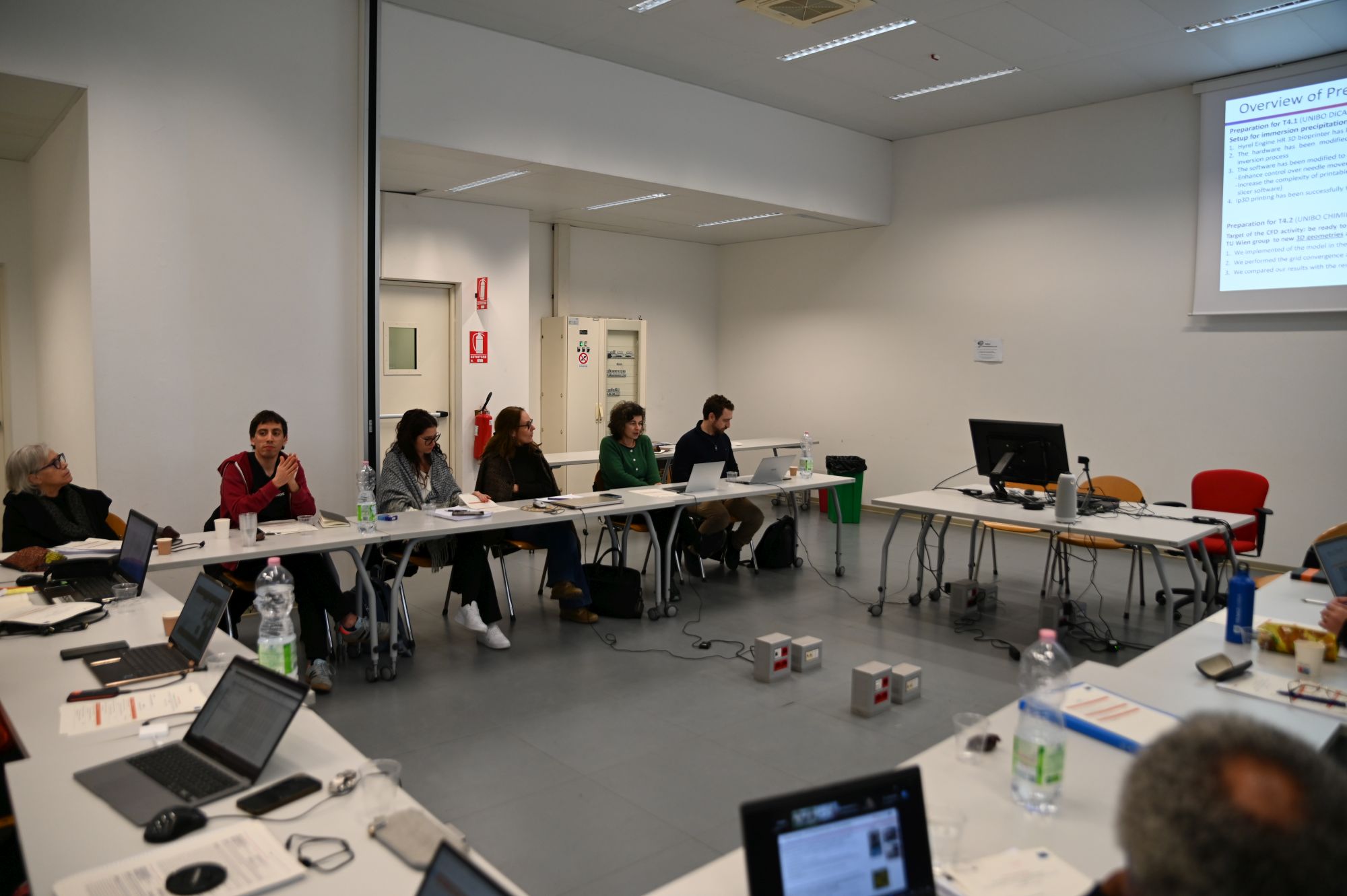
th BioMembrOS team in the conference room, sitting at tables in U formation anmd listening to a presentation

The BioMembrOS Project Team gathered at Alma Mater Studiorum – Università di Bologna for an engaging two-day consortium meeting, packed with insightful discussions, project updates, and strategic planning. This meeting was even more special as it came right after our one-year anniversary—a milestone worth celebrating!

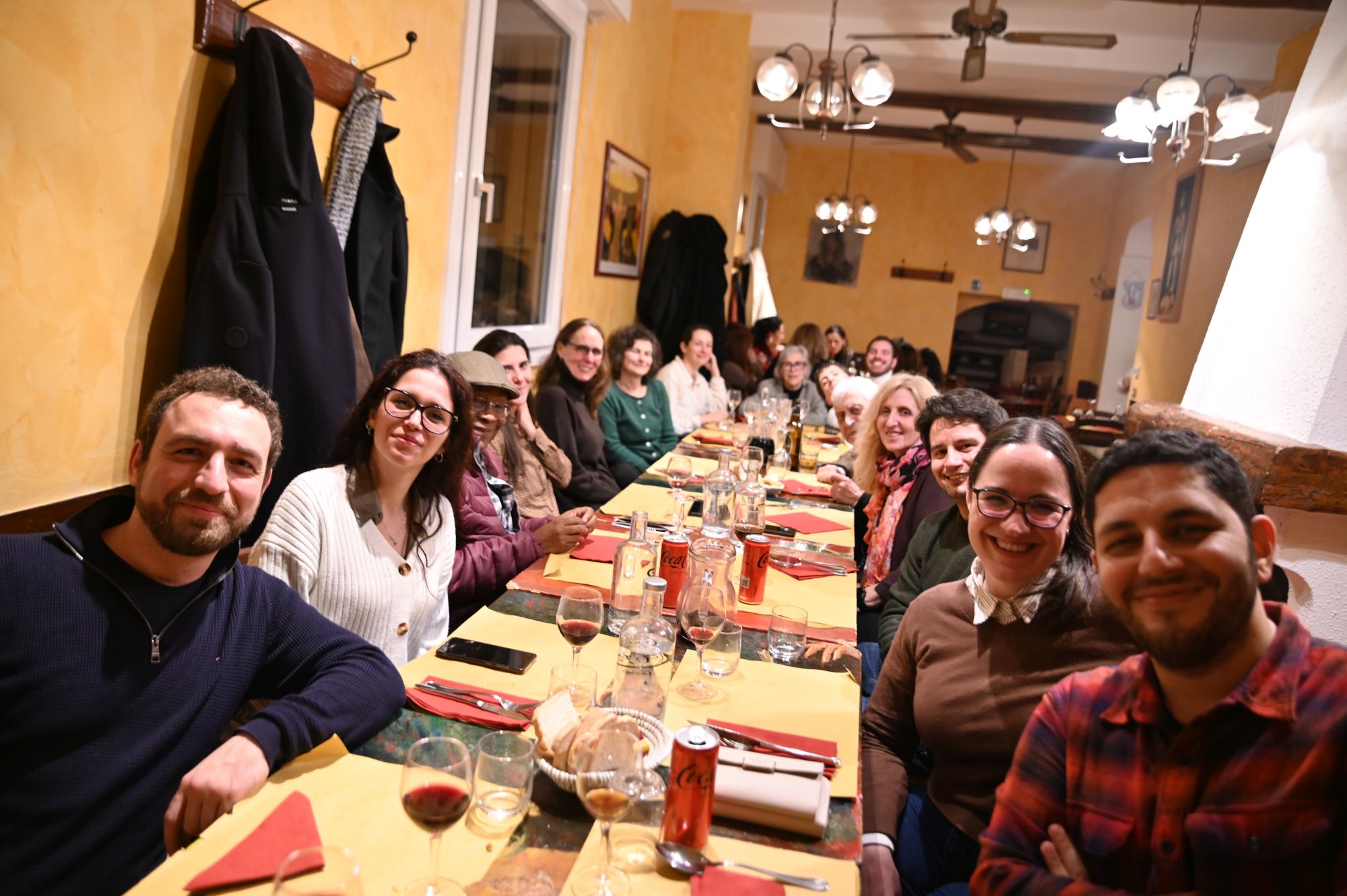
We wrapped up the event with a fantastic dinner together—great food, great company, and inspiring conversations.

A big thank you to everyone who participated. Here’s to another year of innovation, collaboration and great teamwork!

th BioMembrOS team in the conference room, sitting at tables in U formation anmd listening to a presentation

beautifully painted stone arches

The BioMembrOS team sitting at a table waiting for dinner

Ornamental fountain in Bologna

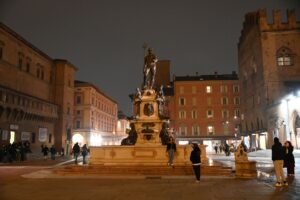
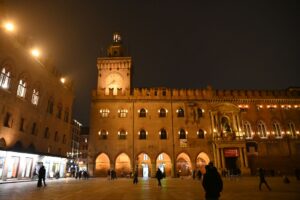
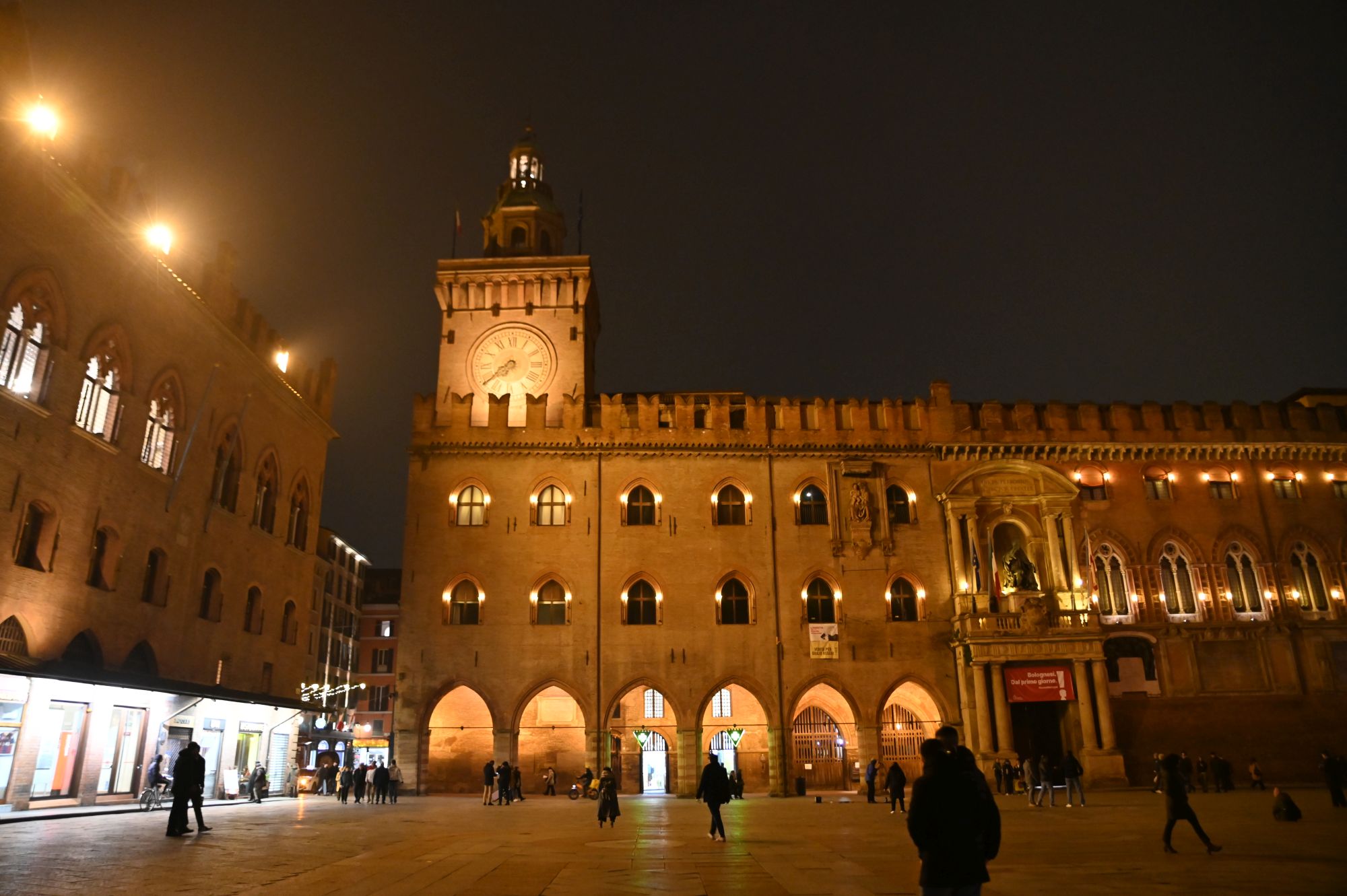
Stonebuilding in Bologna at night

th BioMembrOS team in the conference room, sitting at tables in U formation anmd listening to a presentation

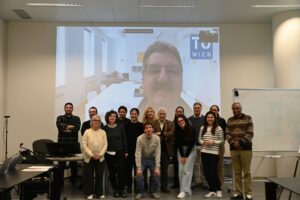
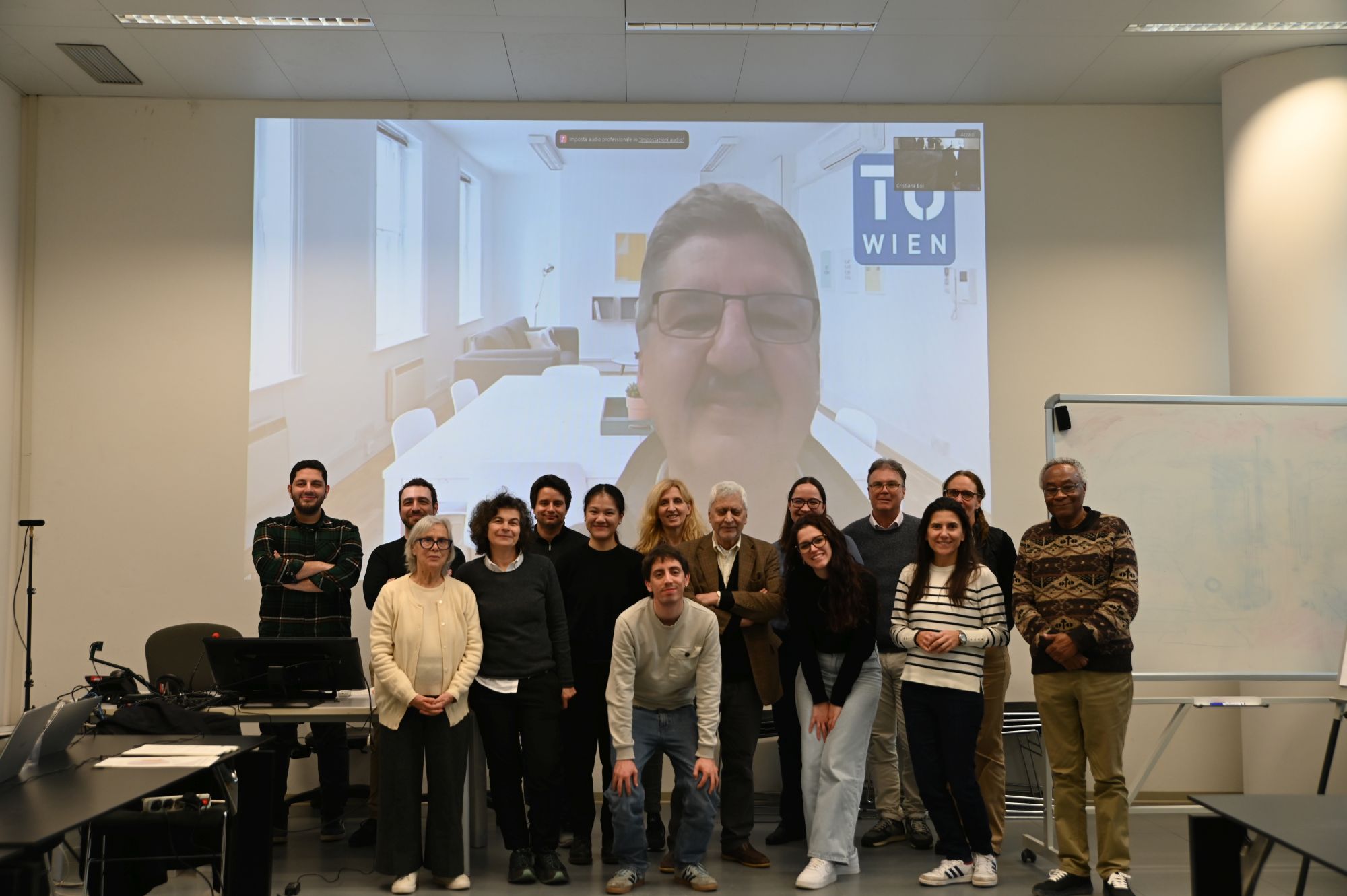
The BioMembrOS Team in front of a wall with the Zoom interface of Michael Harasek projected on to it


WeiterlesenConsortium Meeting in Bologna

European Researchers Night 2024

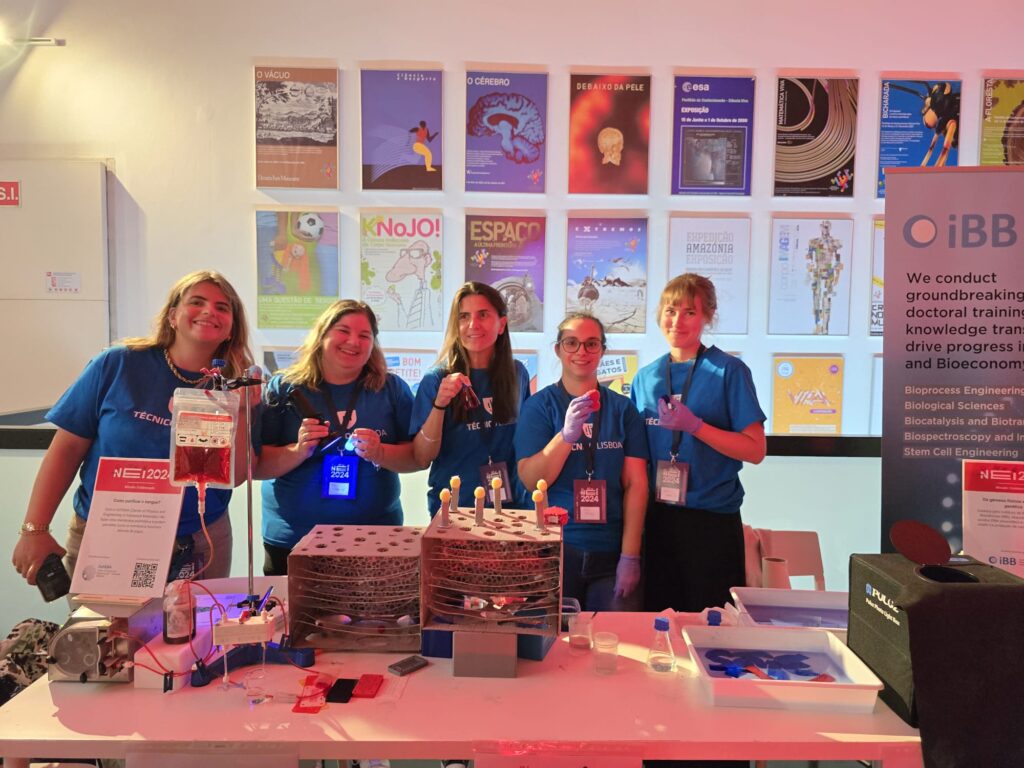
Mónica Faria with her Students and Post Docs at our booth at the European Researchers Night 2024

On 27th September 2024 we had the opportunity to present the BioMembrOS project at the European Researchers’ Night 2024. We were represented by Professor Mónica Faria with the Support of Post Doc Rita Pires, Phd Student Flavia Rodrigues and Master Students Margarida Valente and Johanna Grimm. Thanks to their help, the booth ran smoothly during the whole evening.

Our booth was set up at „Pavilhão do Conhecimento“ (Pavilion of Knowledge) and we were present  from 6pm until midnight. With approximately 1800 event attendees, the night was a success.

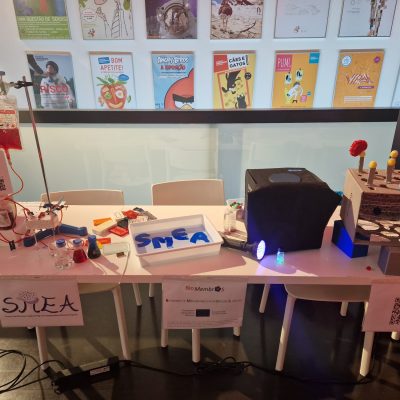
In our booth visitors were  able to see and interact with a lab-scale extracorporeal (false) blood  circulation setup, fabricate flat sheet membranes and become familiar  with the project.

Table at our booth with the experimental setup
Preparing/Folding the BioMembrOS Lefalets for the European Researchers Night


WeiterlesenEuropean Researchers Night 2024

Post-Doctoral Research Fellowship

Post-Doctoral Research Fellowship

Tecnico Lisboa is offering a Post-Doctoral Research Fellowship for the BioMembrOS Project in the Scientific Areas of Thermofluids and Energy Conversion Technologies or Chemical Engineering Sciences.

Please submit you applications to bolsas@drh.tecnico.ulisboa.pt until July 29th 2024.

Admission Requirements:

  1. to hold a PhD degree obtained in the 3 years previously to the submission of the fellowship application; 
  2. to have carried out the research work that led to the PhD degree in a different entity from the host institution of
    the fellowship;
  3. not to exceed, with this fellowship contract, including the possible renovations, an accumulated period of 3 years
    in this type of fellowship, continuously or with interruptions;
  4. not to have previously held a post-doctoral fellowship from IST.

Workplan:

  1. Viscosity characterization of fluids used in experiments (deionised water, plasma and animal blood).
  2. Flow visualisation within specific microdevices (mimicking fibre membranes of MBO (membrane blood oxygenators)), with deionised water and/or plasma, acquiring images with a CMOS (complementary metal–oxide–semiconductor) camera mounted on a microscope, and digital image processing to quantify the mixing level based on each pixel colour intensity.
  3. Measurement of flow velocities within the same specific microdevices, with deionised water and/or plasma, using micro-PIV.
  4. Visualisation and characterisation of animal blood flows within the same specific microdevices, acquiring images with a CMOS camera mounted on a microscope, and digital image processing.
  5. CFD modelling of the above-mentioned flows. Modelling & Optimization of flows and mixing inside microdevices mimicking fibre membranes sets with recourse to relevant parameters such as mimicking fibres shapes, arrangements, number and sizes, fluids properties, mass flow rate, mass transfer rates of O2 and CO2, etc.
  6. Modelling and optimization of parameters of the system using machine learning and artificial intelligence algorithms.
  7.  Assist the IST research team in the preparation of technical reports, presentations, and meetings, as well as the purchasing process of materials and services required for the development of the project according to plan.

Duration & Allowance:

The research fellowship will have a duration of 12 months. It is expected to begin in September 2024 and
may eventually be renewed up to the maximum of 36 months, including the duration of the initial contract. The monthly mainenance Allowance is € 1801,00.

Find more Information at https://euraxess.ec.europa.eu/jobs/255670 

WeiterlesenPost-Doctoral Research Fellowship

Inhalts-Ende

Es existieren keine weiteren Seiten